
According to the CDC, farmers are among the most at-risk groups for stress-related illnesses and depression. In the USA’s rural heartland—from the vast plains of Iowa and Kansas to Nebraska’s golden fields—families face unique health challenges deeply tied to lifestyle, environment, and emotional resilience.
From financial pressures and unpredictable weather to isolation and limited healthcare access, these factors contribute to higher rates of depression, anxiety, and chronic stress among rural residents. Yet, amid these struggles lies a natural remedy rooted in the land itself: farm-to-table nutrition.
At Eelite Blog, I draw on my experience in health and wellness communication to highlight practical, evidence-based ways that nutrition and lifestyle changes can boost mental health naturally. This article explores how local, nutrient-rich foods and mindful living can transform stress into strength, helping rural Americans thrive physically and mentally.
Key Health Struggles Facing Rural America
Communities across the Midwest face a growing wave of lifestyle-related conditions—obesity, high blood pressure, diabetes, and fatigue—often paired with limited access to medical or mental health support. Many farmers also struggle with sleep disorders and stress-induced illnesses, making preventive self-care even more vital.
Unlike urban dwellers with easier access to gyms or therapy centers, rural residents often turn to community-based health initiatives and natural wellness solutions. Combining clean eating, outdoor activity, and mental resilience strategies offers a practical, low-cost way to stay healthy in demanding environments.
These challenges highlight the interplay between physical and mental health, where stress-related illnesses can manifest as health high blood pressure or weakened immunity. Unlike urban settings with abundant resources, rural heartland dwellers often rely on community health initiatives and natural remedies for anxiety depression. Embracing a healthy lifestyle through local resources can bridge this gap, promoting well-being and wellness by addressing both body and mind. For instance, the resilience seen in rural communities—rooted in strong social connections—can be amplified with targeted strategies like nutrition education and self-care routines.

Why Farm-to-Table Nutrition Boosts Mental Wellness
Superfoods such as berries, leafy greens, and nuts—readily available from local harvests—boost serotonin levels and reduce inflammation linked to chronic stress. This plant-based diet element aligns with holistic nutrition, promoting healthy gut function which influences mental wellness through the gut-brain axis. For rural residents facing dietary issues from processed foods, shifting to farm-fresh meals can prevent stress-related diseases and foster vitality. Compared to Europe's seasonal eating patterns, the USA heartland's abundant corn, soybeans, and produce make this strategy sustainable and cost-effective for family health.
Superfoods That Support a Healthy Mind
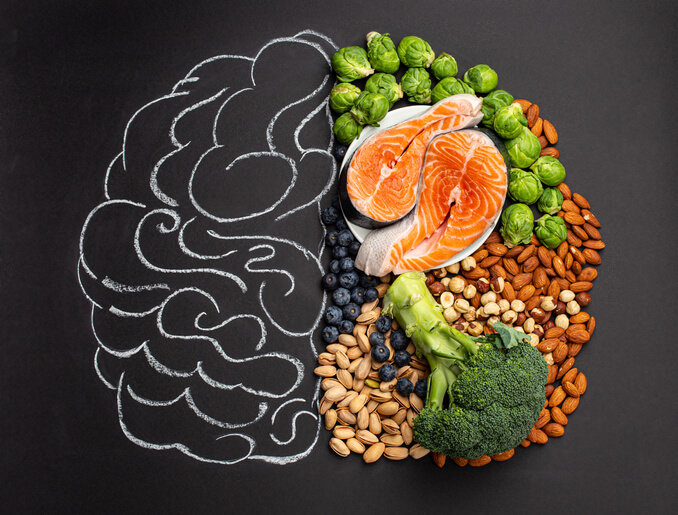
Farm-to-table living is more than a food trend—it’s a return to our roots. Eating fresh, local produce not only supports local economies but also provides essential nutrients for brain and emotional health.
Studies published by the National Institute of Mental Health (NIMH) confirm that nutrient-rich diets can reduce anxiety, stabilize mood, and improve overall cognitive function. For rural Americans, this approach is both affordable and accessible.
Nutrients found in berries, leafy greens, whole grains, and nuts feed the brain’s natural chemistry, helping to:
-
Regulate serotonin and dopamine (your “happiness” neurotransmitters)
-
Reduce inflammation linked to depression
-
Strengthen memory and focus
-
Support emotional resilience during stress
Here’s a quick guide to farm-fresh superfoods that can elevate your mood and energy:
| Food Item | Key Nutrients | Mental Health Benefits | Heartland Source Tips |
|---|---|---|---|
| Leafy Greens (Spinach, Kale) | Folate, Magnesium | Lowers depression, enhances calmness | Grow or buy from local farms |
| Berries (Blueberries, Strawberries) | Antioxidants, Vitamin C | Reduces brain fog, improves focus | Available during summer harvests |
| Whole Grains (Oats, Millet) | Fiber, B Vitamins | Boosts mood, supports gut-brain health | Found in Midwest grain fields |
| Nuts (Walnuts, Almonds) | Omega-3s, Healthy Fats | Reduces anxiety, supports memory | Locally sold or self-harvested |
| Root Vegetables (Carrots, Beets) | Beta-Carotene, Potassium | Enhances vitality, reduces fatigue | Year-round availability in rural markets |
These choices promote a balanced diet, aligning with preventive care and healthy eating habits.
Pairing Nutrition with Physical and Holistic Practices
In rural heartlands, community engagement through farmers' markets can build support groups, turning nutrition into a social wellness tool. For chronic disease management, consult health professionals to tailor these strategies, ensuring they complement any medicine for depression.
Practical Tips to Start Your Farm-to-Table Lifestyle
Nutrition alone isn’t enough—how you eat also matters. Practicing mindful eating helps calm racing thoughts and transforms meals into moments of gratitude. Pairing this with daily affirmations or brief meditation before meals can ease anxiety and strengthen emotional resilience.
Simple habits that work well in rural settings include:
-
Taking short outdoor walks after meals to improve digestion and mood
-
Joining local farmers’ markets or wellness groups for social connection
-
Preparing family meals together to encourage shared mindfulness
-
Listening to calming music or prayer during dinner for emotional balance
When these routines combine with a clean, nutrient-rich diet, they create a powerful shield against stress-related illnesses.
Building Resilience Through Holistic Living
Rural life is built on strength and endurance. By integrating farm-to-table nutrition, outdoor exercise, and community support, residents can naturally enhance both mental clarity and physical vitality.
Programs like Rural Minds, Farm Aid Mental Health Hotline, and NIMH provide valuable tools for emotional wellness, especially for farmers coping with isolation or economic pressure. In my experience writing about mental wellness and holistic nutrition, these grassroots solutions are among the most sustainable ways to protect long-term mental health.
🌻 Practical Steps to Start Your Farm-to-Table Lifestyle
-
Shop Local: Buy directly from nearby farms or co-ops to ensure freshness.
-
Grow Your Own: Even a small garden of herbs or greens supports emotional balance.
-
Plan Seasonal Meals: Rotate recipes based on harvest times for nutrient diversity.
-
Stay Hydrated: Drink water infused with local fruits for natural rehydration.
-
Join a Community Event: Food fairs, co-ops, and meal programs foster social wellness.
By embracing these practical steps, rural Americans can overcome stress, prevent chronic illness, and rediscover joy through clean eating and mindful living.
FAQs: Farm-to-Table Mental Wellness
1. What are the biggest health challenges in rural areas?
High rates of obesity, heart disease, and depression due to limited access to healthcare and lifestyle stress.
2. How does farm-to-table nutrition improve mental health?
It delivers essential nutrients that stabilize mood, reduce anxiety, and improve brain function.
3. Can eating fresh, local food really prevent stress-related illnesses?
Yes—balanced, whole-food diets lower inflammation and strengthen the immune system against chronic stress.
4. What’s a simple first step to get started?
Replace one processed meal a day with fresh produce or whole grains sourced locally.
5. Which community resources can help?
Check out Farm Aid, Rural Minds, or NIMH for emotional wellness and farm-based mental health support.
🌾 Final Thoughts
At Eelite Blog, I believe that true wellness begins with balance—between body, mind, and the land that sustains us. By embracing farm-to-table nutrition and evidence-based self-care, America’s heartland can transform its greatest challenges into sources of resilience and renewal.
Explore more natural wellness insights at Eelite Blog — your trusted guide for holistic health, mental clarity, and rural vitality.
RESOURCE AND SUPPORT
Farm Aid Mental Health Hotline
National Institute of Mental Health
According to Rural Health Information Hub, stress among farmers is driven by financial and environmental pressures.
Join the Eelite Blog community for more evidence-based wellness insights that help rural Americans thrive mentally and physically.
Comments
Post a Comment
Thanks for your response,May God bless you