Understanding Physical Environment, Social, Financial, Organizational, Life Events, Lifestyle, and Physiological Stressors The 7 Types of Stress: A Complete Guide to Identifying, Understanding, and Managing Every Source of Stress in Your Life Stress is not a single experience. The tension you feel when a car cuts you off in traffic is physiologically similar to the dread of an overdue bill — but they arise from completely different sources, affect you in different ways, and require different solutions. That distinction matters more than most stress advice acknowledges. Generic tips like "practice deep breathing" or "exercise more" can help, but they rarely resolve stress at its root. Understanding which category of stress you're dealing with is the first step toward actually doing something about it. This guide walks through all seven clinically recognized categories of stressors, with concrete examples, what the research says about each one, and targeted stra...
Why Do My Muscles Feel Weak for No Reason? A 2026 Guide to Muscle Health
Last updated: May 28, 2026
Feeling your muscles become weak for no apparent reason is rarely truly "for no reason." This weakness is often a signal from your body pointing to an underlying issue, which can range from simple lifestyle factors like dehydration or poor nutrition to more complex medical conditions, including post-viral syndromes, age-related changes, or neuromuscular disorders [1]. Understanding the potential causes is the first step toward improving your muscle health and overall wellness.

Key Takeaways
- It's Not Random: Unexplained muscle weakness is a symptom, not a diagnosis. It can be caused by dehydration, nutrient deficiencies, lack of sleep, or overexertion.
- Post-Viral Syndromes are a Major Cause: Conditions like Long COVID and Myalgic Encephalomyelitis/Chronic Fatigue Syndrome (ME/CFS) are increasingly recognized as primary drivers of persistent muscle weakness and fatigue [3, 4].
- Age is a Factor: Sarcopenia, or age-related muscle loss, is a common cause of progressive weakness in adults over 50, affecting up to 16% of older adults globally [6].
- Emergency Signs Exist: Sudden, one-sided weakness, especially with facial drooping, speech difficulty, or trouble breathing, is a medical emergency that could signal a stroke and requires immediate attention [2].
- Lifestyle Matters: Your daily habits significantly impact muscle health. A sedentary lifestyle, poor diet, and chronic stress can all contribute to feelings of weakness.
- Specific Conditions Have New Treatments: While weakness can feel general, it can also stem from specific rare diseases like myasthenia gravis or Barth syndrome, for which new, targeted treatments were approved in 2025 [7, 8].
What Are the Most Common Causes of Unexplained Muscle Weakness?
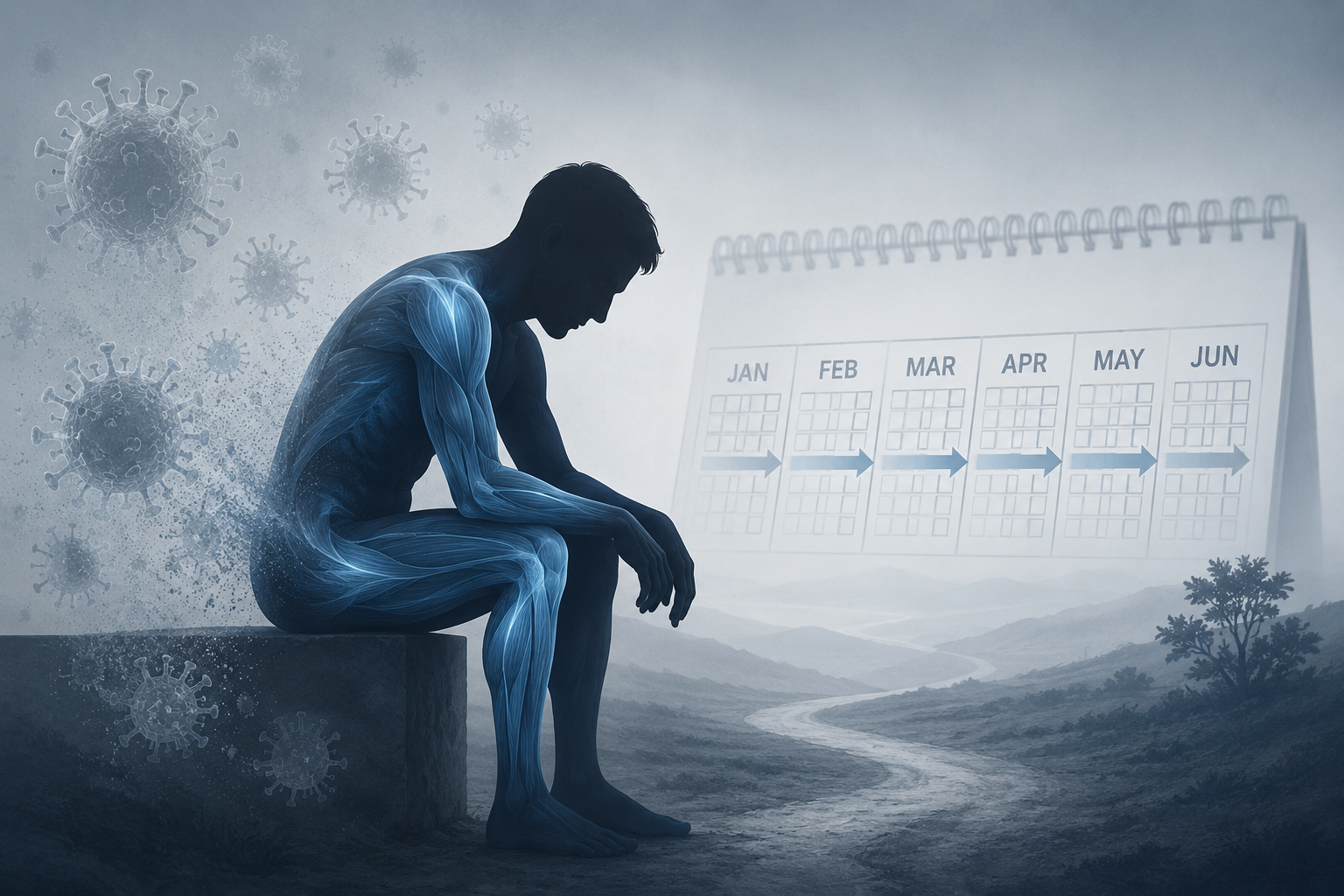
The most common causes of muscle weakness that seem to appear for no reason are often related to correctable lifestyle factors or temporary health states. These include dehydration, electrolyte imbalances, poor nutrition (especially low protein or iron), inadequate sleep, or simply overexertion from a new or strenuous activity.
Before jumping to more serious conclusions, it's wise to evaluate your daily habits. Are you drinking enough water? Is your diet balanced? Have you been under significant stress or sleeping poorly? These factors form the foundation of your body's ability to repair and maintain muscle tissue. Ignoring them can lead to a pervasive feeling of weakness that seems to come out of nowhere.
- Dehydration: Even mild dehydration can impair muscle function and lead to fatigue and weakness.
- Electrolyte Imbalance: Sodium, potassium, and magnesium are critical for muscle contraction. An imbalance, often from sweating or poor diet, can cause weakness [1].
- Nutrient Deficiencies: A lack of key nutrients like iron (leading to anemia), vitamin D, or protein can directly impact muscle strength and energy levels.
- Lack of Quality Sleep: During sleep, your body repairs muscle tissue. Chronic sleep deprivation disrupts this process, leading to persistent weakness and poor recovery.
Common Mistake: A frequent error is dismissing these foundational health pillars and immediately worrying about a severe disease. Often, addressing sleep, nutrition, and hydration for a week or two can significantly improve muscle health and resolve feelings of weakness.
Could My Weakness Be a Sign of a Post-Viral Illness like Long COVID?
Yes, persistent and unexplained muscle weakness is a hallmark symptom of post-viral syndromes, including post-COVID-19 condition (Long COVID) and Myalgic Encephalomyelitis/Chronic Fatigue Syndrome (ME/CFS). These conditions can develop after an acute viral infection and cause long-lasting symptoms, with profound fatigue and muscle weakness being among the most common.
For many, the initial infection may have been mild, but the after-effects are debilitating. The World Health Organization notes that post-COVID-19 condition can affect approximately 6 in 100 people who had the virus, with muscle weakness and joint aches being frequently reported among a list of over 200 possible symptoms [3]. Furthermore, a major 2024 RECOVER study found that a significant percentage of individuals who had COVID-19 later met the diagnostic criteria for ME/CFS [4]. In fact, patient-reported studies show that physical weakness is a reality for over 87% of those with ME/CFS, making it a primary driver of this condition [5].

When is Muscle Weakness an Emergency?
Muscle weakness is a medical emergency if it is sudden, severe, and accompanied by other specific neurological symptoms. If weakness appears abruptly, affects one side of your body, or occurs with facial drooping, difficulty speaking, vision changes, or shortness of breath, you should seek immediate medical help by calling 911.
These symptoms are classic warning signs of a stroke or a transient ischemic attack (TIA), where time is critical to prevent permanent brain damage [2]. Other serious conditions can also cause sudden weakness. For example, Guillain-Barré syndrome is a rare disorder where the body's immune system attacks the nerves, leading to rapidly progressing weakness that can affect breathing [1].
Decision Rule: When to Call 911
If you experience any of the following, do not wait. Call for emergency medical assistance immediately:
- Sudden weakness or numbness on one side of the face, arm, or leg.
- Sudden confusion, trouble speaking, or understanding speech.
- Sudden trouble seeing in one or both eyes.
- Sudden, severe headache with no known cause.
- Difficulty breathing or swallowing.
How Does Aging Affect Muscle Strength and Weakness?
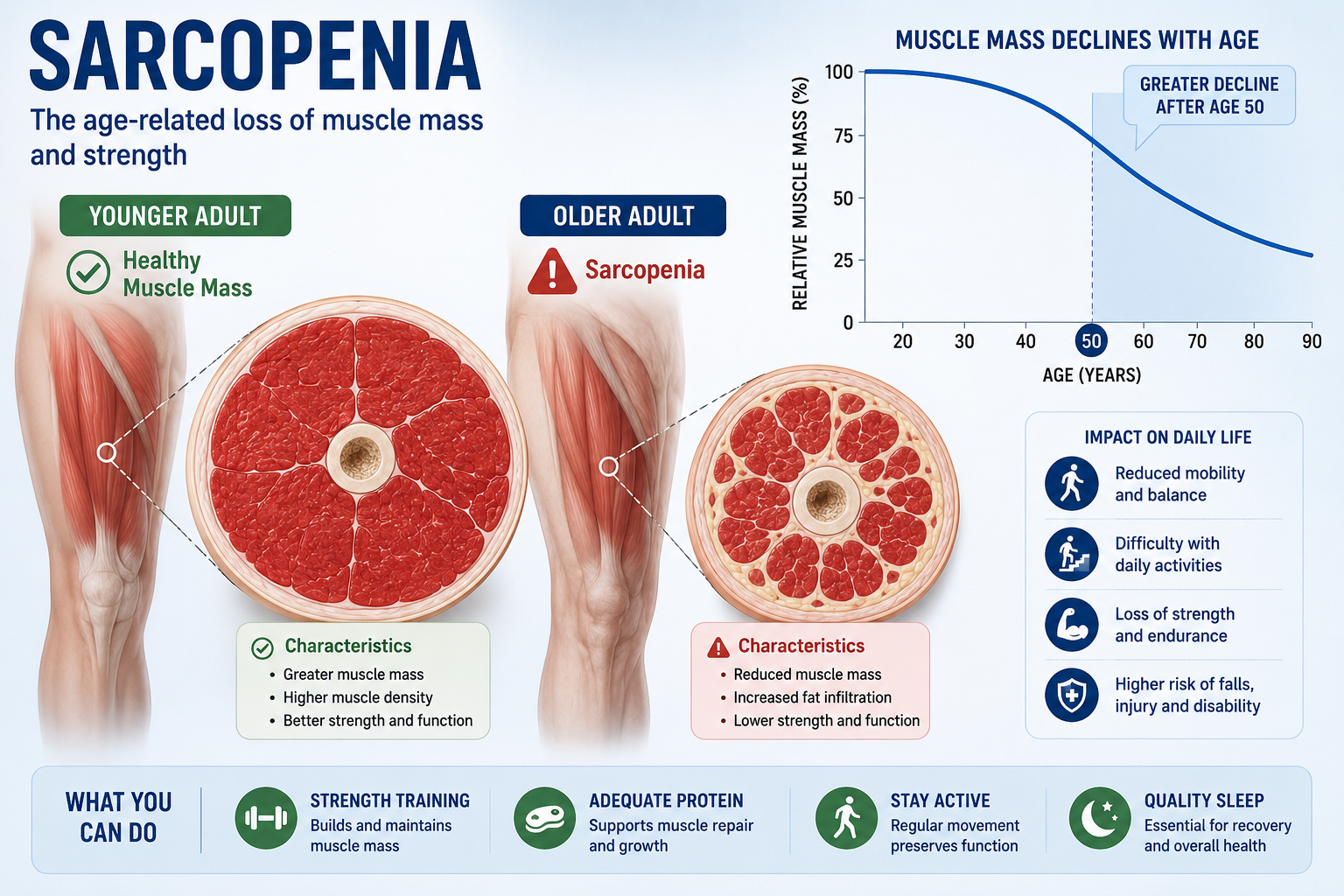
As people age, a gradual loss of muscle mass, strength, and function—a condition known as sarcopenia—becomes a primary cause of feeling weak. This is a natural part of the aging process, but its progression and severity can be influenced by lifestyle. For older adults, what feels like "unexplained" weakness is often the manifestation of undiagnosed sarcopenia.
The global prevalence of sarcopenia is estimated to be between 10% and 16% in older adults, but this rate climbs dramatically to as high as 50% for those over the age of 80 [6]. Recognizing the importance of early detection, the Asian Working Group for Sarcopenia (AWGS) updated its guidelines in 2025 to recommend screening for adults aged 50–64, aiming to identify and manage age-related muscle weakness before it leads to severe mobility issues and loss of independence [6]. Despite its high prevalence, medical reviews from 2025 confirm there are currently no FDA-approved medications specifically for treating sarcopenia, making lifestyle interventions like resistance training and adequate protein intake the primary management strategies [6].

What Neurological and Genetic Conditions Cause Muscle Weakness?
While less common, some cases of muscle weakness are caused by specific neurological, autoimmune, or genetic disorders that directly attack the muscles or the nerves that control them. These conditions often require specialized diagnosis and treatment, and recent years have brought significant advances in therapies.
Conditions like myasthenia gravis (an autoimmune disorder that disrupts communication between nerves and muscles), Barth syndrome (a rare genetic disease), and Spinal Muscular Atrophy (SMA) all present with significant muscle weakness [1]. Fortunately, the medical landscape is evolving. In 2025, the FDA approved new treatments that offer hope to patients with these debilitating conditions, highlighting the importance of an accurate diagnosis.
| Condition | Primary Cause | Key Symptom | Recent (2025) Treatment Advances |
|---|---|---|---|
| Myasthenia Gravis (gMG) | Autoimmune | Fluctuating weakness in voluntary muscles (eyes, face, limbs) | FDA approval of Imaavy (nipocalimab-aahu) to treat moderate to severe weakness [7]. |
| Barth Syndrome | Genetic (X-linked) | Weak muscle tone, fatigue, exercise intolerance, especially in boys. | FDA accelerated approval of Forzinity (elamipretide) to improve muscle strength [8]. |
| Spinal Muscular Atrophy (SMA) | Genetic (SMN1 mutation) | Progressive loss of motor neurons, leading to severe muscle wasting and weakness. | FDA approval of Itvisma (gene therapy) for adults and children over 2 years old. |
What Lifestyle Factors Contribute to Poor Muscle Health?
Your daily choices in diet, activity, and stress management are cornerstones of muscle health and play a huge role in preventing feelings of weakness. A sedentary lifestyle, a diet lacking in essential nutrients, and chronic, unmanaged stress can collectively degrade muscle tissue and leave you feeling perpetually weak and tired.
- Sedentary Behavior: Muscles operate on a "use it or lose it" principle. A lack of regular physical activity, especially resistance exercise, leads to muscle atrophy (shrinkage) and weakness over time.
- Poor Nutrition: Protein is the building block of muscle. A diet insufficient in high-quality protein makes it impossible for your body to repair and build muscle. Deficiencies in other nutrients like iron, magnesium, and B vitamins also contribute to fatigue and weakness.
- Chronic Stress: High levels of the stress hormone cortisol can have a catabolic effect, meaning it can break down muscle tissue for energy. Over time, chronic stress can actively weaken your muscles.
- Inadequate Hydration and Sleep: As mentioned earlier, these are non-negotiable for proper muscle function and repair.
Actionable Tip: You don't need a complete overhaul overnight. Start by incorporating a 15-minute walk into your daily routine and adding one source of lean protein (like Greek yogurt, chicken, or lentils) to each meal. Small, consistent changes are key to building a foundation of wellness.
Conclusion
Feeling that your muscles are weak for no reason can be unsettling, but it's a valuable signal from your body that something is out of balance. While the cause is often tied to manageable lifestyle factors like nutrition, sleep, or a recent illness, it can also be an early indicator of an underlying medical condition. The most important step is not to ignore it.
Start by honestly assessing your lifestyle: your diet, your activity level, your stress, and your sleep. If simple adjustments don't bring relief, or if your weakness is sudden, severe, or accompanied by other alarming symptoms, it is crucial to consult a healthcare professional. They can help you investigate the root cause, whether it's a post-viral syndrome, an age-related change like sarcopenia, or a more specific neuromuscular condition. By listening to your body and seeking answers, you can move from a state of weakness to a path of renewed strength and wellness.
FAQ
Can anxiety cause muscle weakness?
Yes, anxiety and chronic stress can lead to perceived muscle weakness. High levels of stress hormones like cortisol can cause muscle tension and fatigue, which can be interpreted as weakness.
What vitamin deficiency causes weak muscles?
Vitamin D deficiency is a well-known cause of muscle weakness, aches, and pains. Deficiencies in B vitamins (especially B12) and minerals like magnesium and iron can also contribute to feelings of weakness and fatigue.
How can I test my muscle strength at home?
Simple functional tests can give you a clue. Try timing how long it takes to stand up from a chair and sit down again 5 times, or see how many push-ups or bodyweight squats you can do. A noticeable decline in your ability to perform these tasks could indicate a loss of strength.
Is muscle weakness the same as fatigue?
No, they are different. Fatigue is a feeling of tiredness or lack of energy, while muscle weakness (asthenia) is a quantifiable lack of physical strength. However, the two often occur together, especially in conditions like ME/CFS and Long COVID.
Can dehydration make my muscles feel weak?
Absolutely. Dehydration is a very common cause of temporary muscle weakness. When your muscle cells don't have enough fluids and electrolytes, they cannot function optimally, leading to weakness and cramping.
What blood tests check for muscle weakness?
A doctor may order a complete blood count (CBC) to check for anemia, tests for vitamin and mineral levels (like Vitamin D, B12, and iron), electrolyte levels, thyroid function tests, and markers for inflammation. They might also check levels of creatine kinase, an enzyme that can indicate muscle damage.
References
- Muscle Weakness
- medicalnewstoday
- Pmc12280984
- Recover Study Finds Covid 19 Increases Risk Developing Mecfs
- E55697
- Pmc12872562
- Novel Drug Approvals 2025
- Stealth Biotherapeutics Announces Fda Accelerated Approval Of Forzinity Elamipretide Hcl The First Therapy For Progressive And Life Limiting Ultra Rare Genetic Disease Barth Syndrome
Comments
Post a Comment
Thanks for your response,May God bless you